Table Of Content
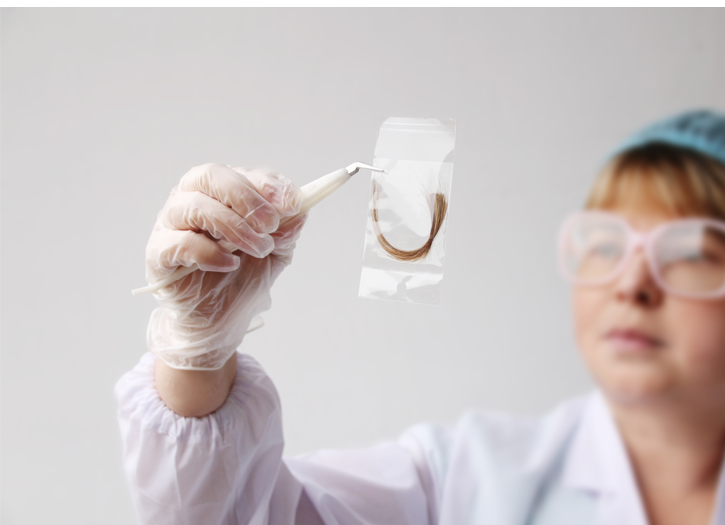
Hair follicle drug tests involve removing a small hair sample for laboratory testing. Results can show if a person has been using certain drugs or prescription medications in the previous 3 months. A urine drug test can only detect drug use for several days, while a hair follicle drug test can pick up on drug use for a longer period of time. Some urine tests provide instant results, but hair tests must be sent to a lab for completion.
What if a person has no hair on their head?
Some states prohibit employers from drug testing their employees on a random basis. In these states, an employer must provide evidence that supports their decision to test a particular employee. A person may need to undergo drug testing for employment, legal, or medical purposes. The person could have used a drug very recently, before it showed up in the hair. Take the hair sample necessary based on the directions and wrap it in the foil provided.
Hair Follicle Drug Testing ,
A follow-up test isn't necessary because there are no drug metabolites in your system. The hair follicle drug test uses two testing stages to avoid false positives. The first test is the ELISA test, also known as an enzyme-linked immunosorbent assay.
Hair follicle drug tests
The first study of brief intervention for drug use to use hair testing found some evidence of over-reporting of heroin and cocaine use at baseline (Bernstein et al., 2005). There are several possible explanations for the inability to identify declared drug users via hair test. Two explanations were put forth in the seminal study by the Bernstein group, which also apply here. First, it is possible that participants were being untruthful in order to gain entry into the study. However, the payment in the present study ($20) was not extravagant, and participants were not told during screening what the study was specifically about or what the eligibility criteria were.
For amphetamines, only 24.2% (8/33) of participants who reported use had a positive hair test (self-report +, hair +). Among participants who denied amphetamine use, 6.0% (15/249) had an amphetamine-positive hair test (self-report −, hair +). Among participants with an amphetamine-negative hair test, 9.7% (25/259) disclosed using amphetamine-type stimulants (hair −, self-report +). Among participants who reported past 3 month cocaine use, 65.2% (30/46) had a cocaine-positive hair test, while 9.3% (22/236) of those who denied cocaine use had a cocaine-positive hair test (self-report −, hair +). Among participants with a cocaine-negative hair test, 7.0% (16/230) reported past 3 month cocaine use (hair−, self-report +).
It's a biochemical test commonly used to detect antibodies and other proteins in the blood. Blood tests are usually performed at every routine medical checkup, but many times, the results can be... Lab tests are routinely performed by doctors to detect changes in your health. About 80 percent of the prescription drugs Americans take year are genericversions,... If you’re a current employee and your workplace requires you to take a hair strand drug test, they’re required by law to pay you for the time spent taking the test. Because lab results are confidential health information, you’ll need to sign a release before the results are passed on to your workplace.
The Detection Window
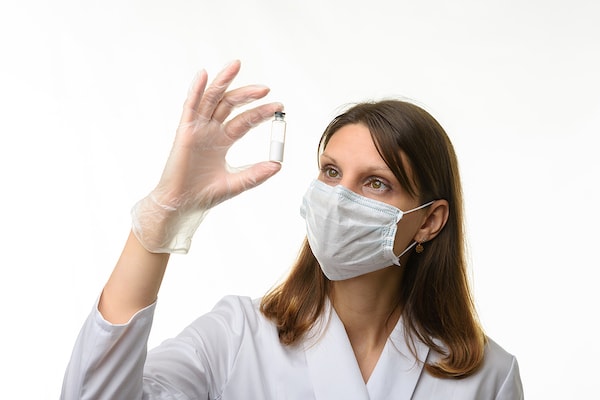
Because home tests are sent to a lab, they're comparable to regular hair follicle drug tests. Neither type of test is 100% accurate, even though they go through a two-step process. Drugs can be detected for as long as 90 days after their consumption in hair follicle drug tests. Because there is a difference in the rates at which the hair grows, it is difficult to tell the exact days on which the drug was consumed. Once the hair follicles have been analyzed by a certified laboratory they will then be reviewed and then verified by a Medical Review Officer (licensed Physician) who will than release the results.
Interpreting test results
Will MDMA Show Up On a Drug Test? - VICE
Will MDMA Show Up On a Drug Test?.
Posted: Thu, 18 Jul 2019 07:00:00 GMT [source]
In some cases, improper collection of the hair specimen may result in the test being rejected completely. People who shave their entire bodies may not be able to provide a usable sample of hair. It can only show whether a substance has been used within the past 90 days.
However, the results may skew slightly negative if the hair has been stripped of melanin. The impact is greater on intensely treated hair, such as hair that has been chemically straightened. The hair follicle resides under the scalp, so the hair would have to be pulled out with the root intact to examine the follicle.

To understand why this is, we first need to grasp how our bodies process drugs. As your hair grows, it absorbs trace amounts of these substances, preserving a record of drug use in the hair shaft. Usually, they are cut as close to the scalp (and, subsequently, the follicle) as possible, because the portion closest to the scalp is the youngest. Employers are increasingly using hair tests rather than urine tests to screen for drug use.
The purpose of a hair follicle drug test is to detect evidence of drug use or misuse in a sample of a person’s hair. Drug misuse describes using prescription drugs in a manner that isn’t prescribed by a doctor or using legal substances in an unhealthy way. In a 2015 study examining the effectiveness of hair follicle drug tests, researchers compared self-reported drug use with hair follicle test results from 360 adults at risk for moderate drug use. A negative result means that the laboratory did not detect the presence of any drug metabolites in the hair sample, or after having a positive ELISA screening, the laboratory was unable to confirm the results with GC-MS.
Some people think they can avoid testing positive for drugs with a hair test if they shave all the hair from their head. However, hair samples can be taken from nearly anywhere on the body, and not just on the head. Those who shave all their body hairs in an attempt to escape a positive result may face consequences such as being denied employment, according to Medline Plus. Negative test results indicate that no drugs or drug metabolites were detected in the hair sample. Negative results suggest that a person didn’t consume the drug targeted by the test, that they used a drug outside of the test’s detection window, or that an insufficient amount of the drug was consumed to be detected in the hair.
A GC-MS test works by heating the sample to identify its components at a molecular level. Conversely, a test positive result signals the presence of detectable drug levels, implying recent drug use within the defined detection period. Positive outcomes can lead to significant consequences, such as job loss or legal repercussions, and may prompt further confirmatory testing to verify accuracy and rule out external contamination or false positives. Only 2.9% (2/68) of participants who reported opioid use had an opioid-positive hair test (self-report +, hair +), while 2.8% (6/212) of those who denied opioid use had a positive hair test (self-report −, hair +). Approximately one quarter (24.3%; 66/272) of participants with a negative hair test reported non-medical opioid use (hair −, self-report +). During the test, the technician or collector will cut approximately 100 to 120 hair samples from the crown of your head.
Hair testing cannot be considered a panacea for drug detection in individuals with moderate-risk drug use due to potential under-identification, at least at the standard detection thresholds used in this study. Challenges regarding cost, access to sufficient hair of consistent length, the likelihood that some samples will be of insufficient quantity for analysis, and participants’ cosmetic concerns must also be considered. As noted by Donovan and colleagues (2012), hair testing may best be used in combination with self-report, e.g., to confirm reported abstinence.
Collecting a sample of hair at a laboratory or at home involves cutting a lock of hair about the thickness of a pencil from the back of the head using scissors. During the collection process, the person cutting the hair should wear gloves to avoid contamination of the hair sample. Hair follicle drug testing can be ordered by a doctor or an administrator of a program that requires drug testing. Hair follicle drug tests can also be purchased through retailers without a prescription.


No comments:
Post a Comment